History of the archaeological research at Stobi - select a year to see the activities and photographs.
The first scholars who located Stobi at its present site in the 19th century are L. Heuzey and J. G. v. Hahn. Their reports were supplemented by the investigation of the ancient roads by A. v. Permerstein and N. Vulić in 1902.
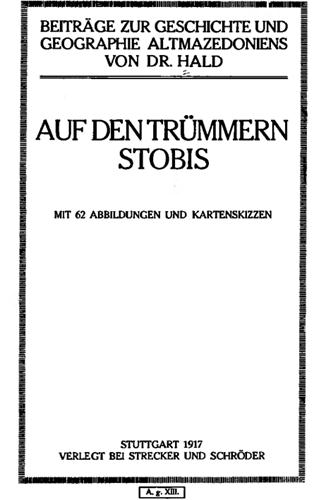
Photo documentation from the research in this period.
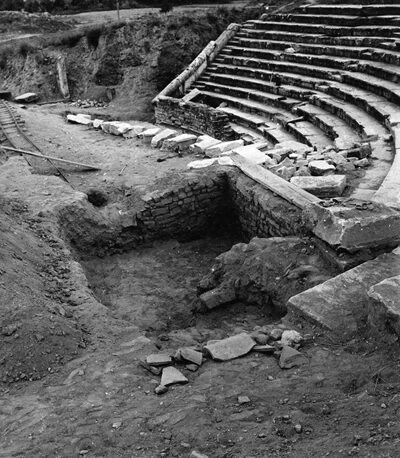
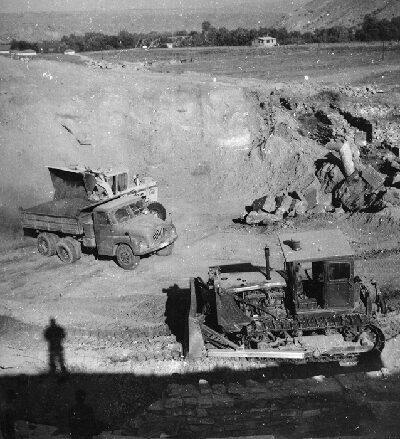
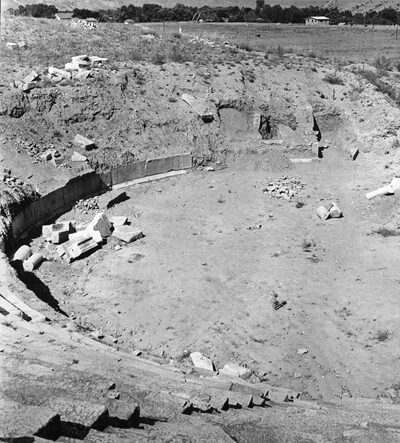
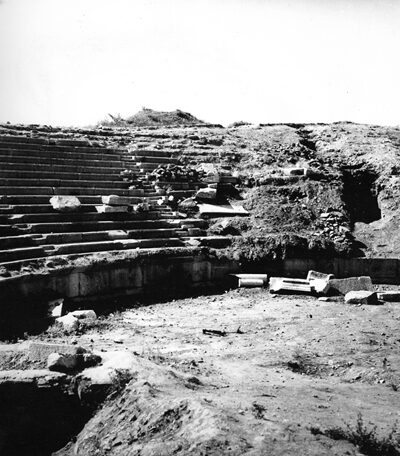
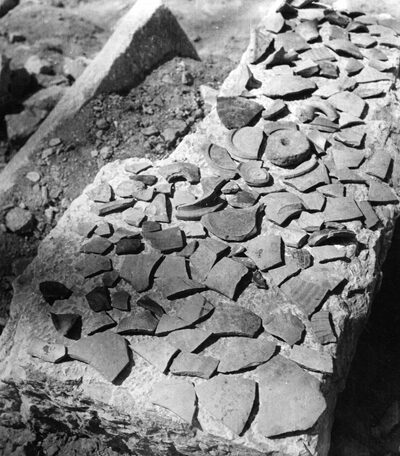
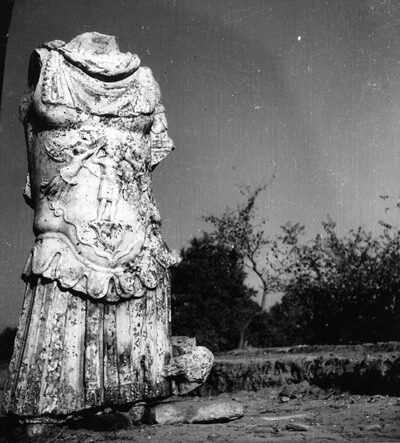
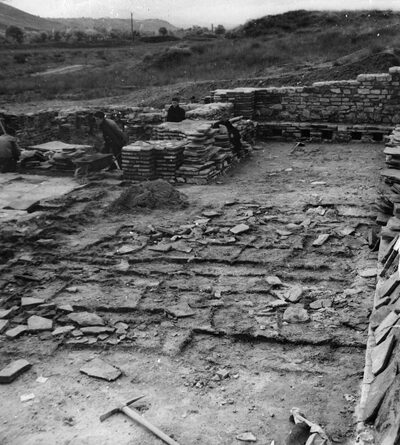
Photo documentation from the research in this period.
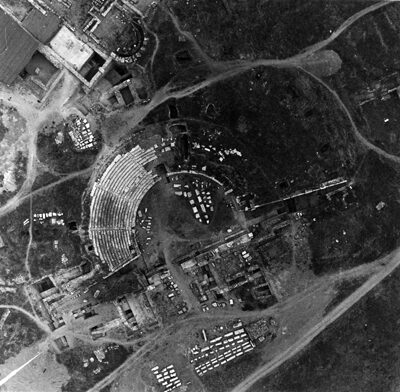
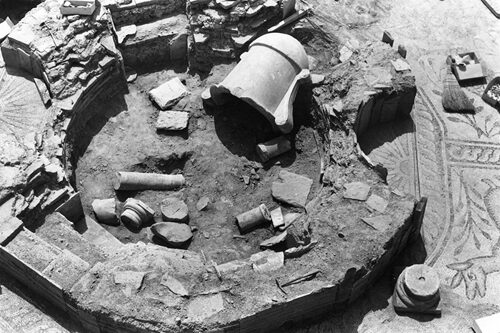
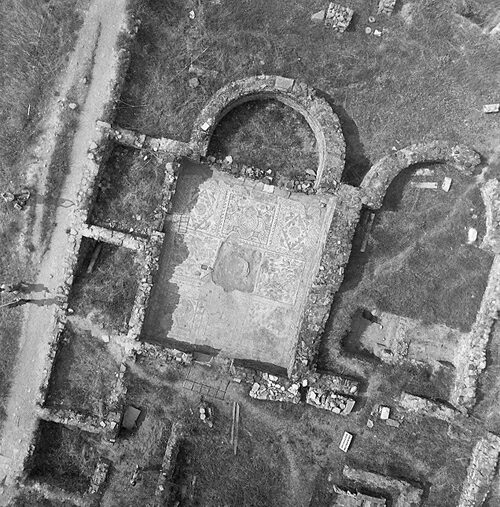
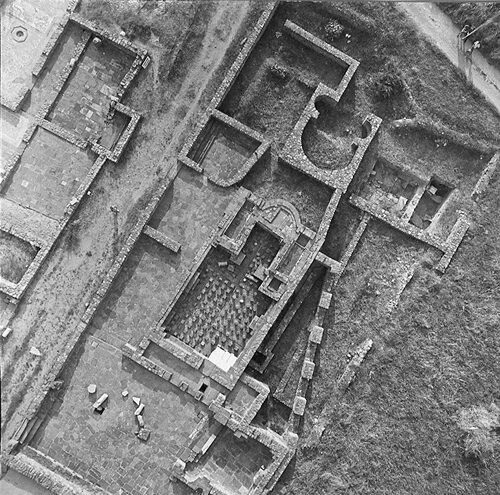
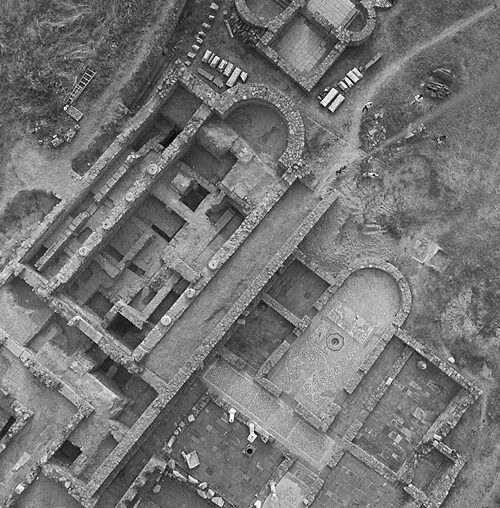
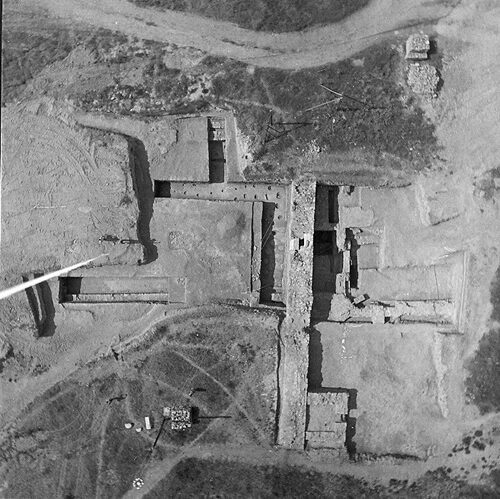
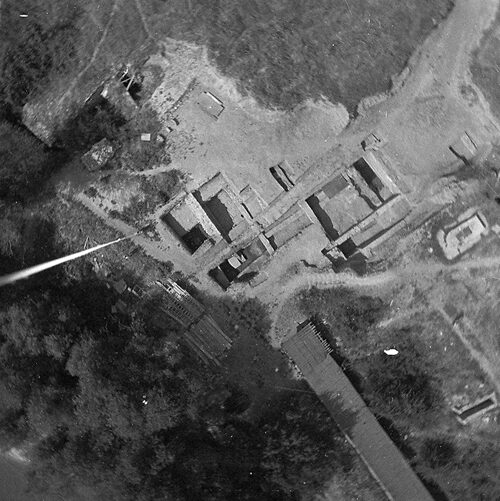
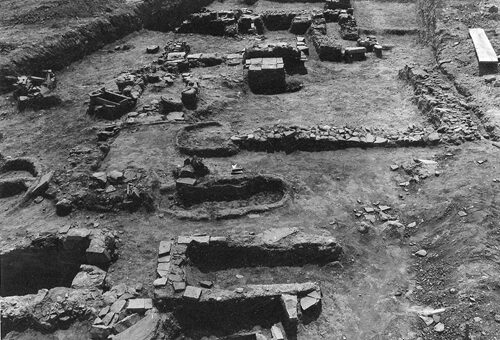
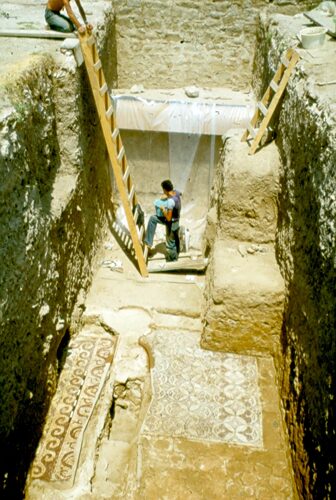
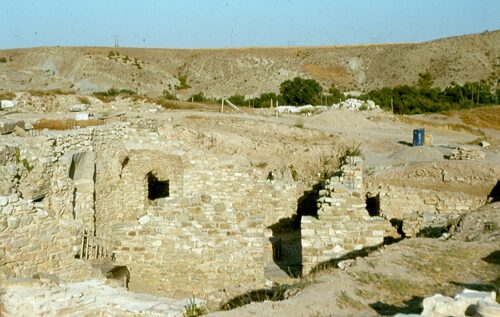
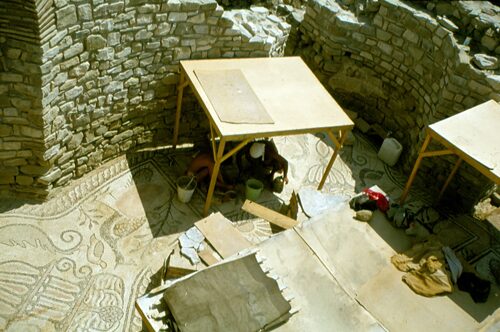
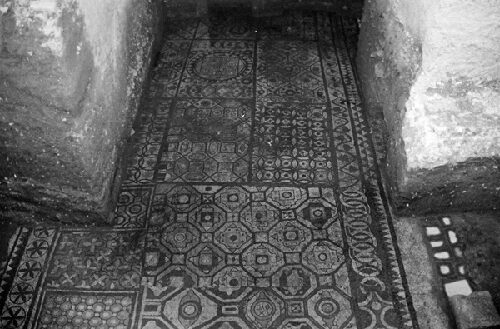
The 1980s were marked by the archaeological research of the basilicas by Blaga Aleksova, as well as the conservation of the studied structures at Stobi led by Ž. Vinčić of the Republic Institute for the Protection of Cultural Monuments.
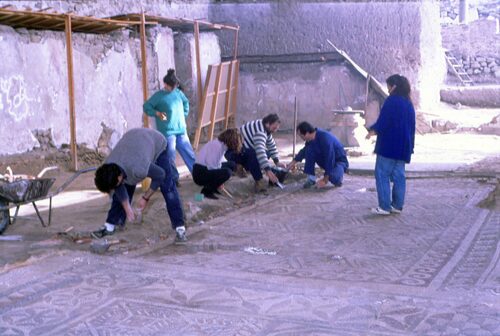
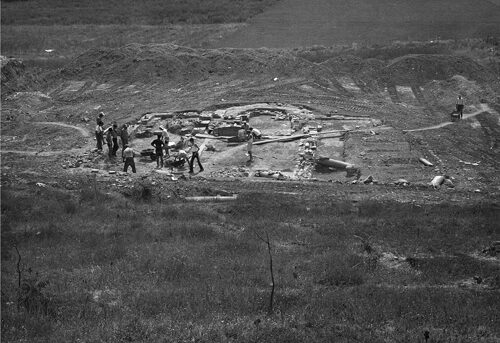
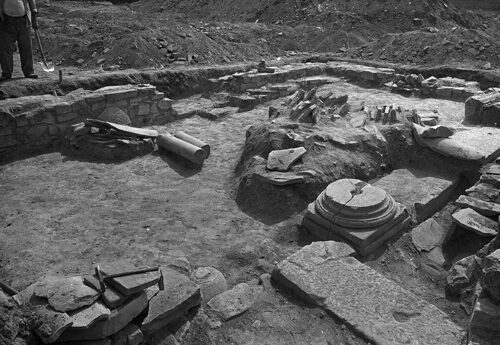
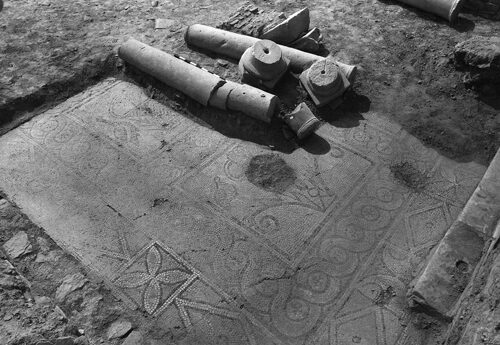
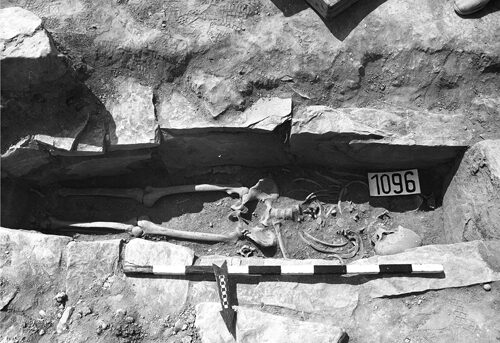
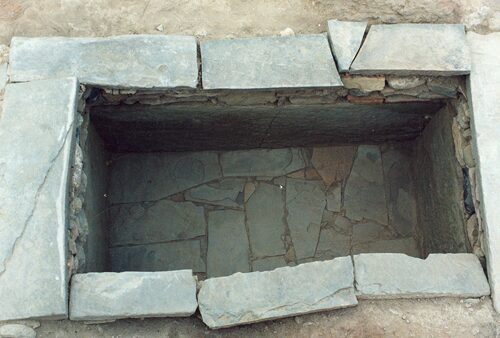
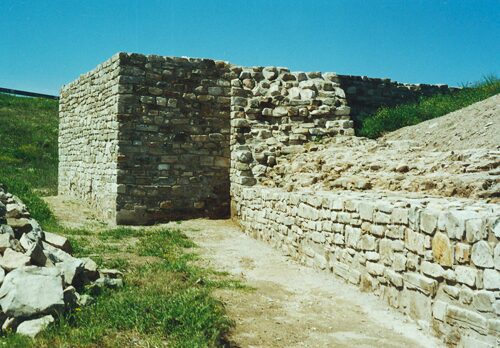
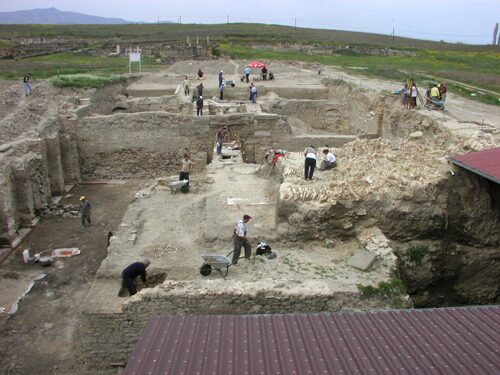

The archaeological research in 2008 was sponsored by the Government of the Republic of Macedonia and carried out by the Museum of Macedonia under the direction of Silvana Blaževska.
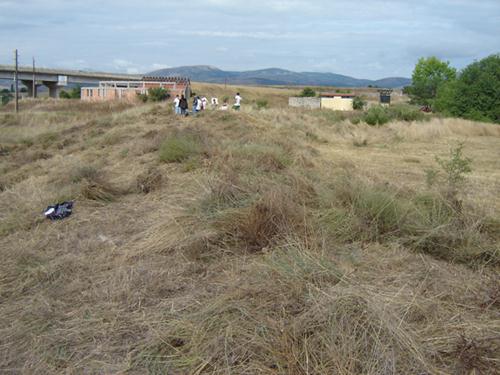
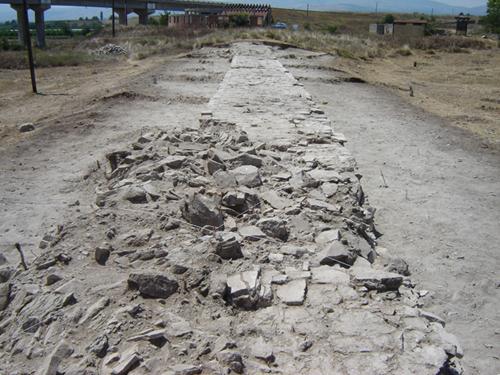
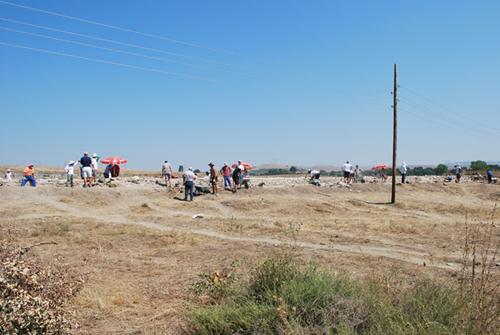
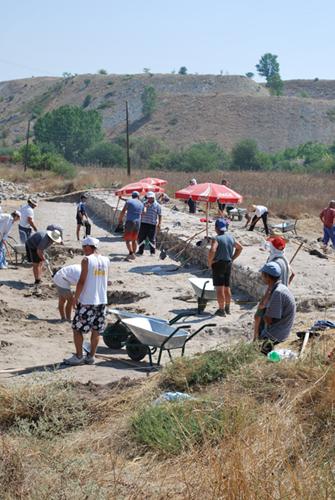
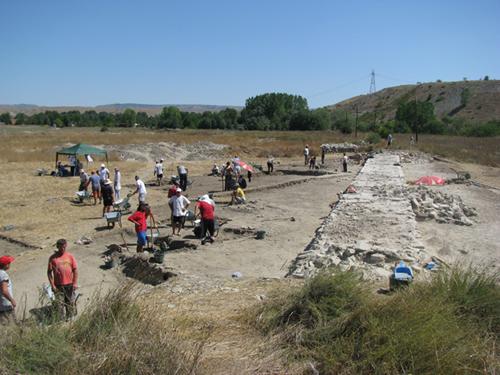
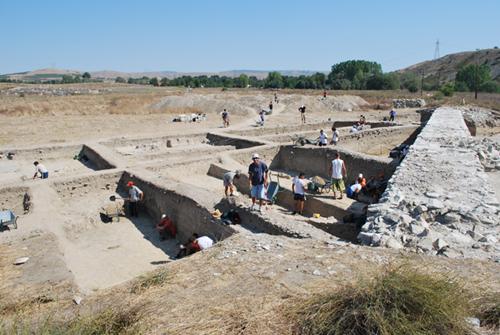
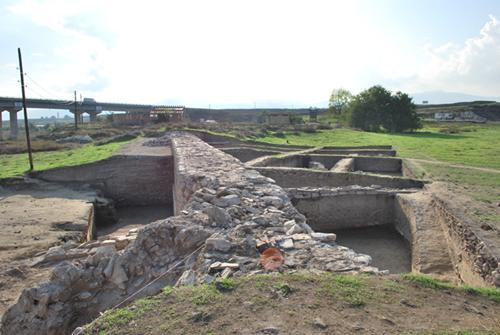
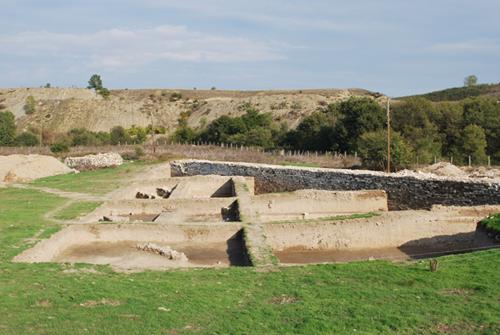
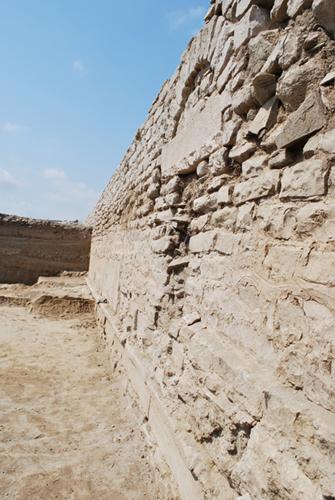
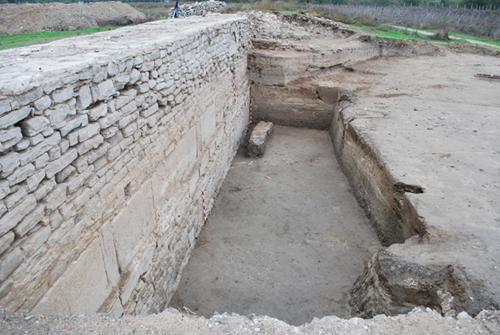
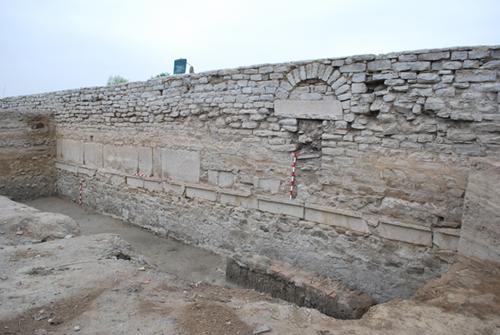
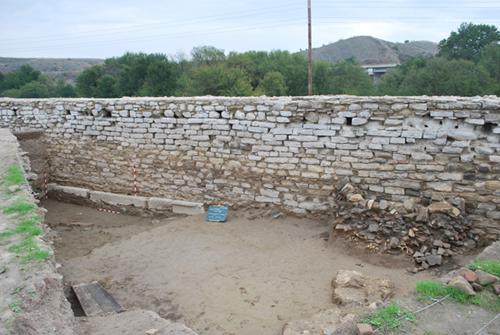
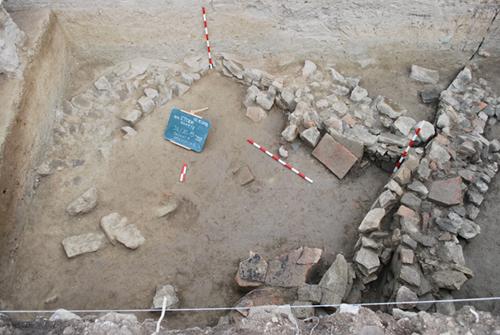
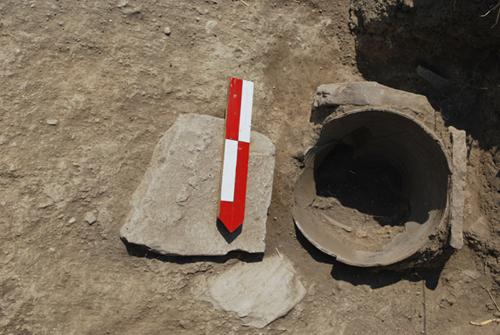
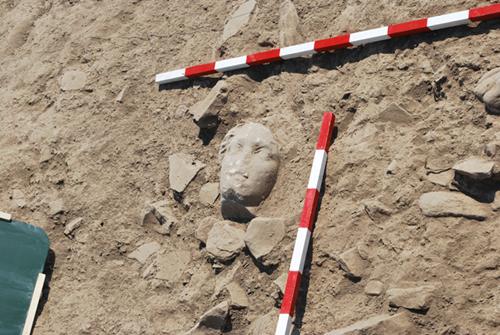
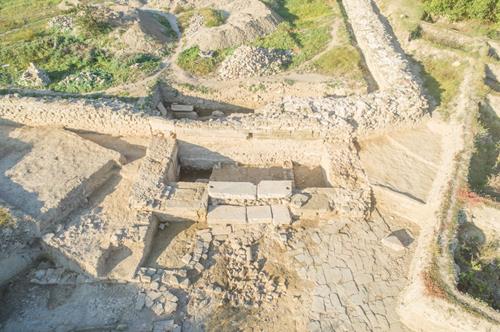
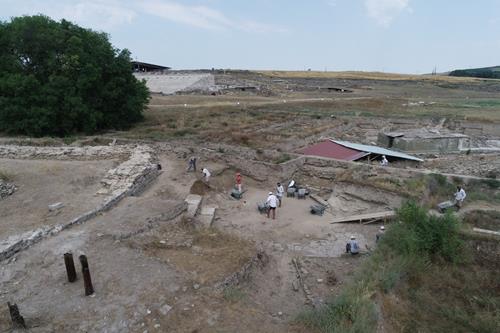
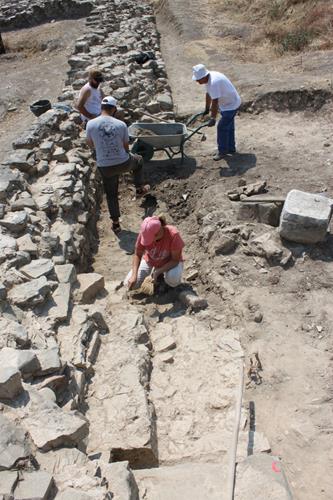
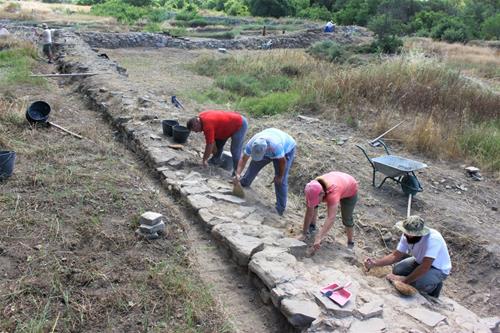
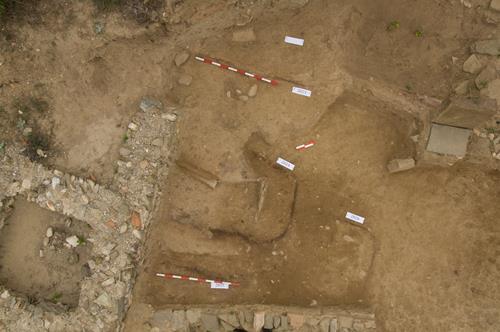
The systematic archaeological research of the ancient city of Stobi in 2009 covered 6 sectors and a total area of about 9,900 m². The project was carried out by the National Institution Stobi under the direction of its director, M.Phil. Silvana Blaževska. The research is part of the capital archaeological projects funded by the Government of the Republic of Macedonia. The applied Wheeler–Kenyon methodology over a wide area enabled precise documentation of the cultural layers from the Early Roman up to the Early Byzantine period. Besides the buildings, the research yielded a vast collection of artefacts: 3,568 coins, around 700 various metal objects, 150 terracotta figurines, glass, jewellery and hundreds of whole or fragmented ceramic vessels.
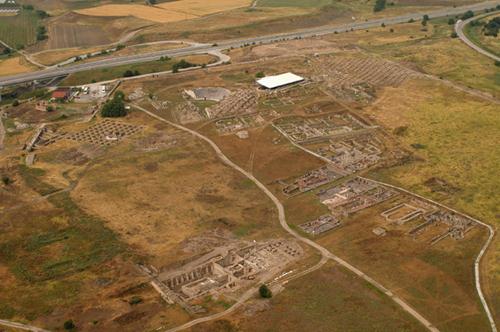
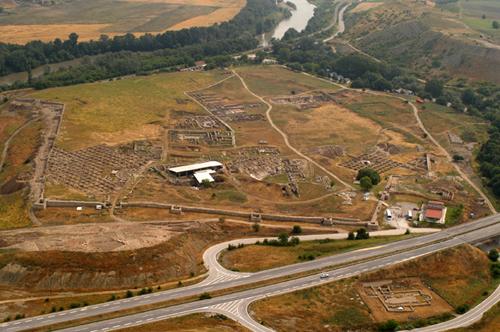
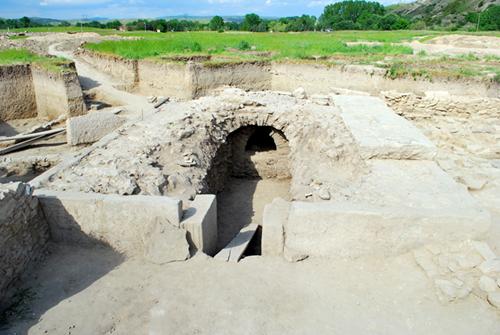
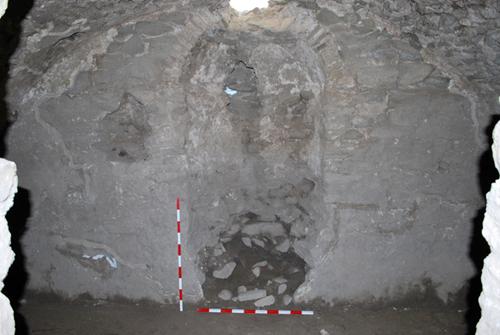
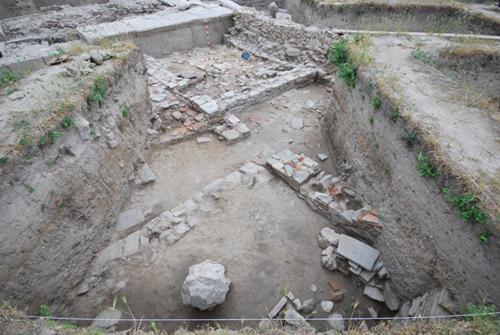
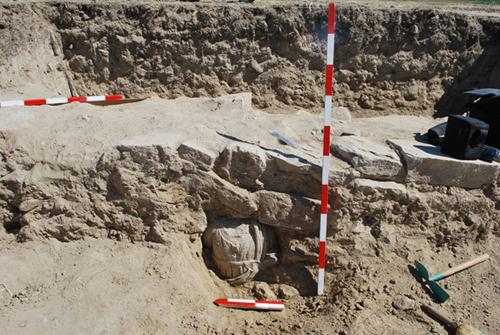
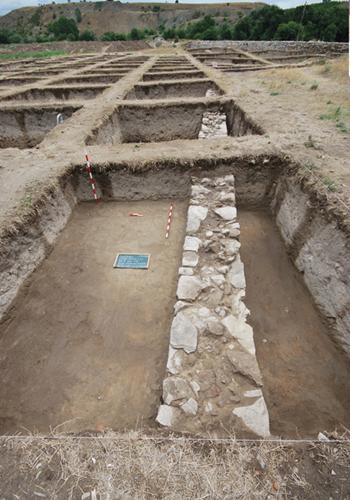
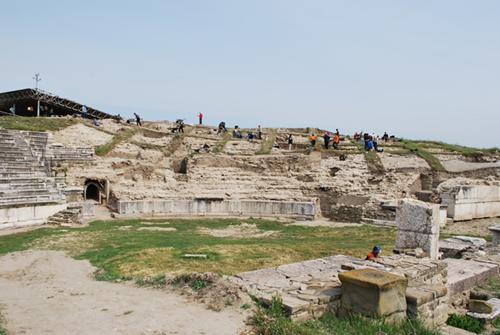
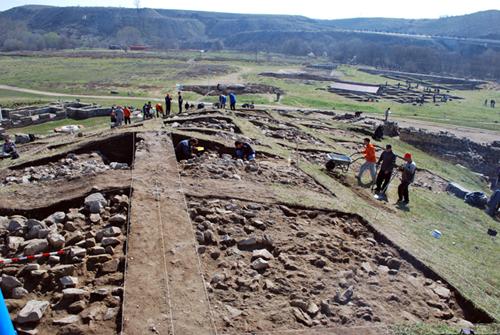
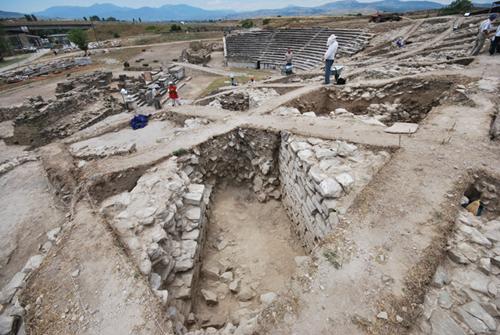
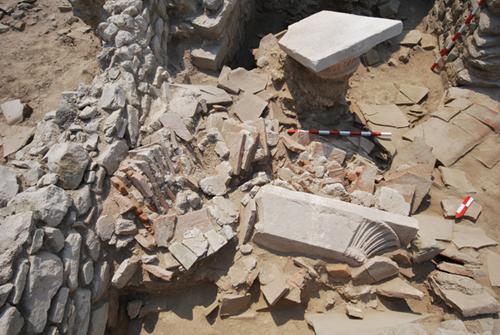
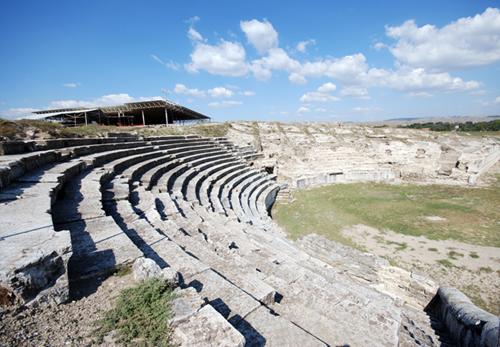
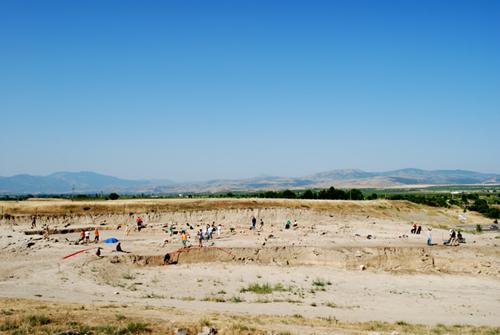
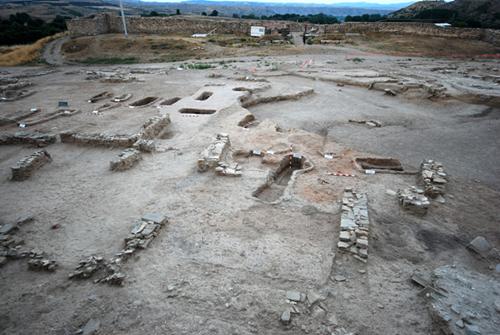
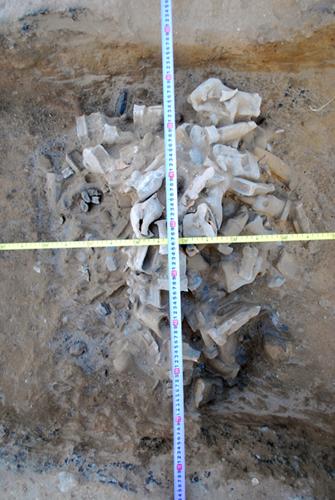
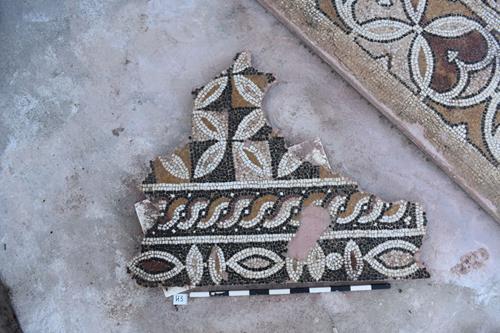
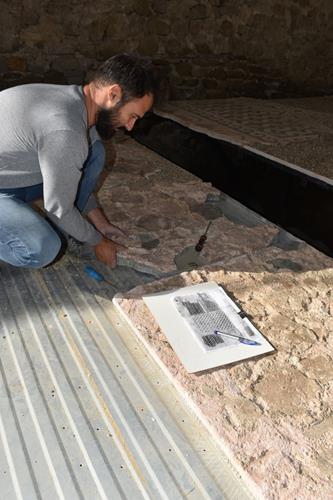
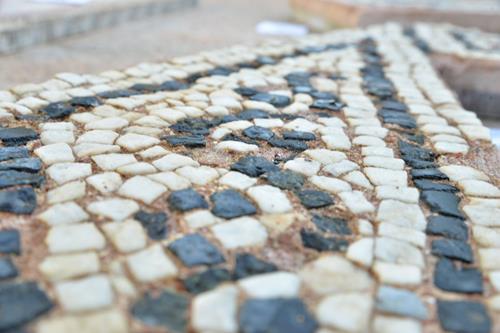
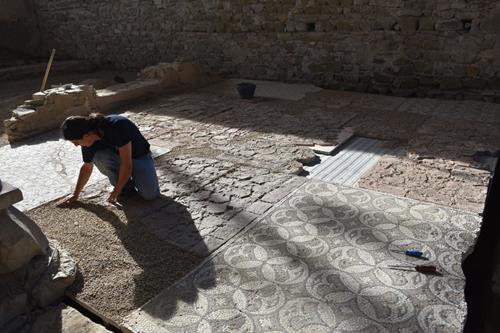
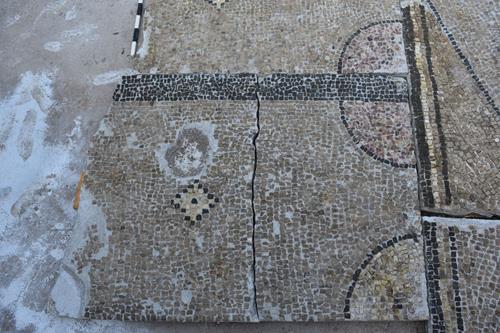
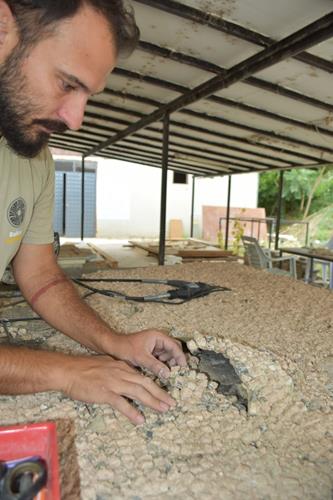
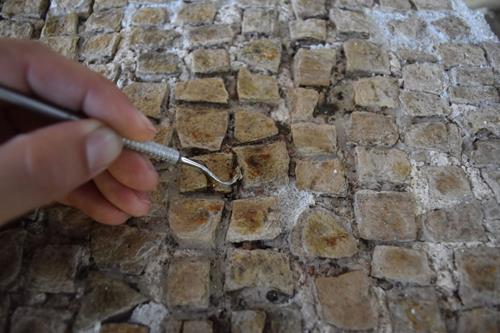
In 2010, two archaeological research projects and two conservation projects were carried out at Stobi. All projects were led by the National Institution Stobi under the direction of M.Phil. Silvana Blaževska.
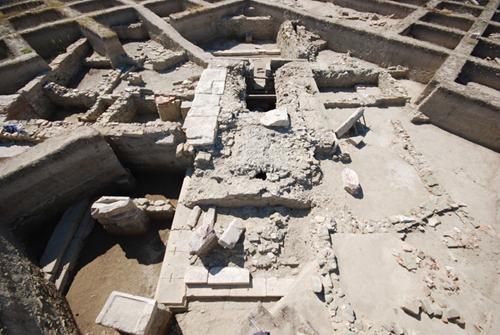
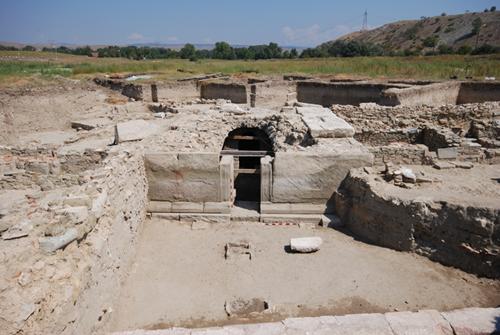
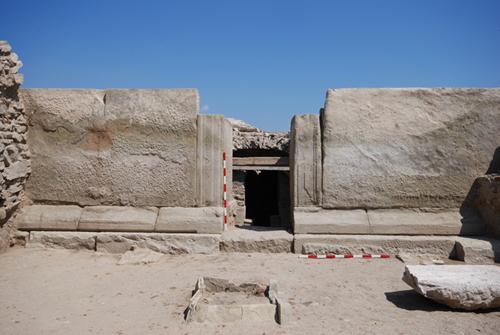
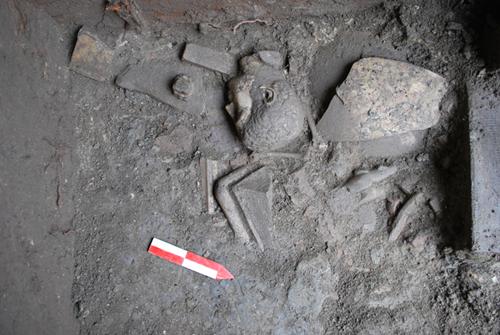
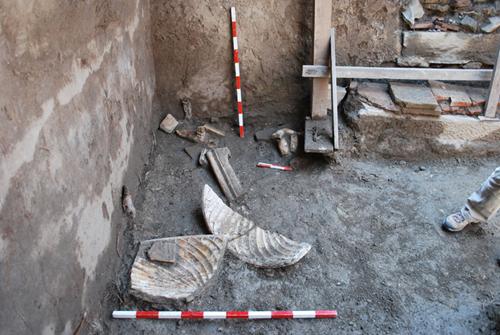
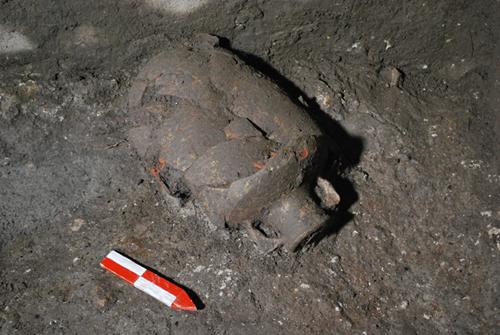
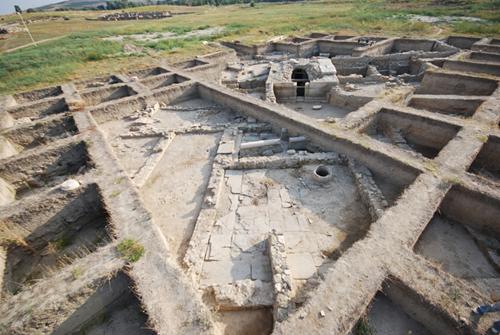
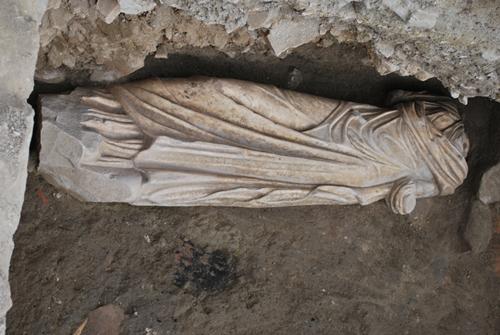
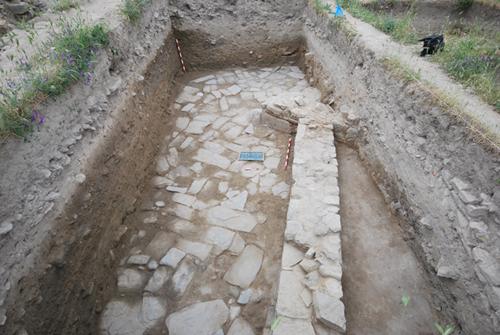
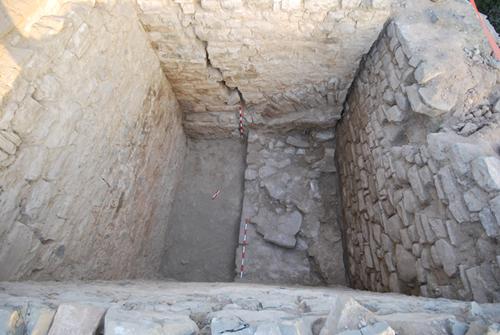
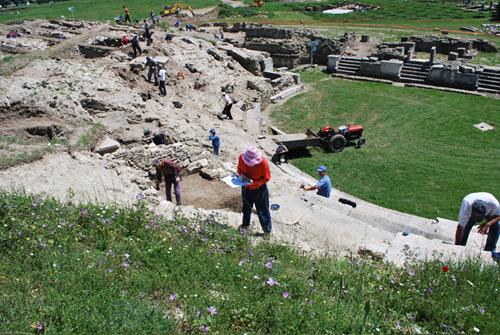
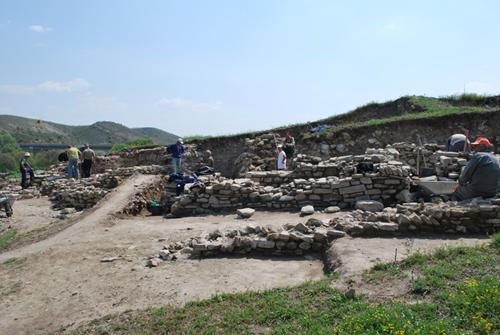
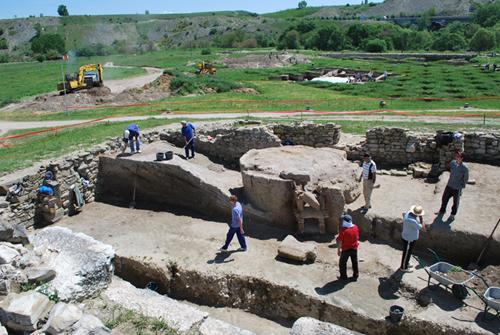
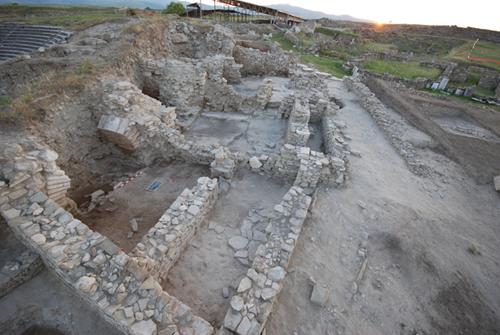
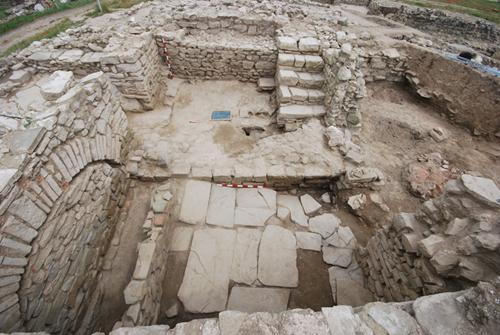
During 2011, three archaeological research projects and five conservation projects were carried out at Stobi. All projects were led by the National Institution Stobi under the direction of M.Phil. Silvana Blaževska.
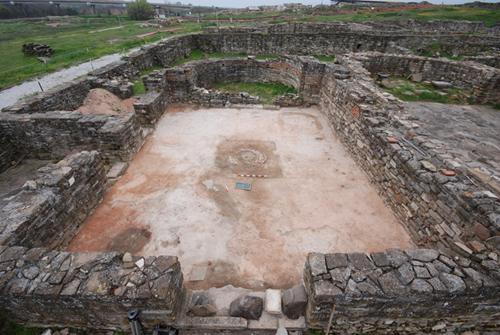
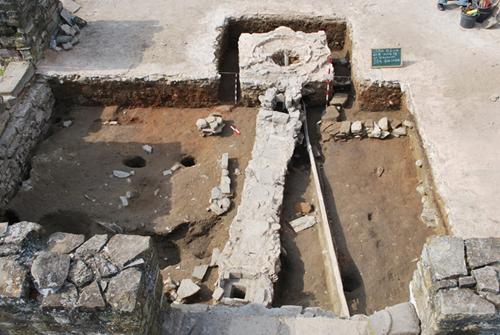
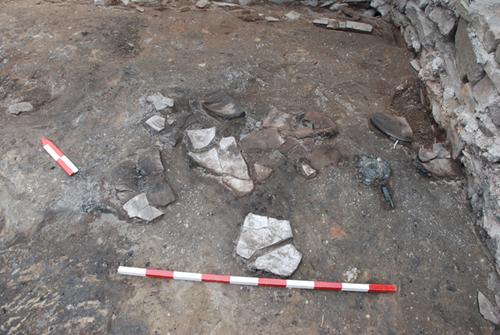
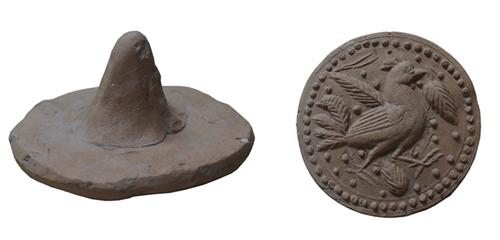
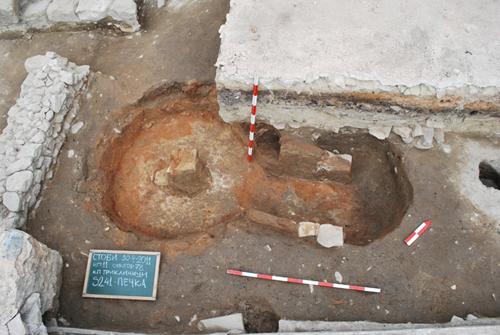
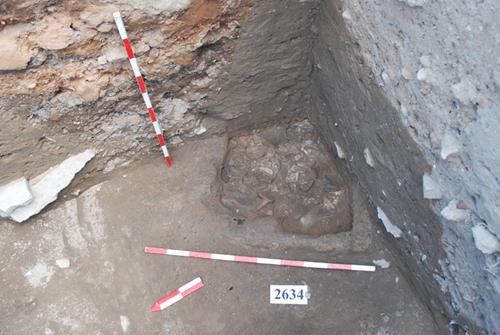
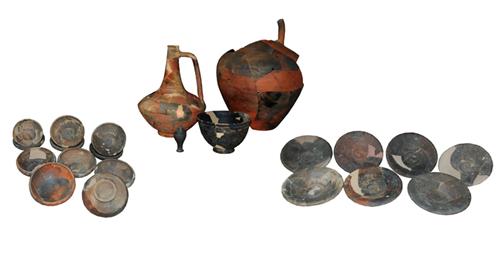
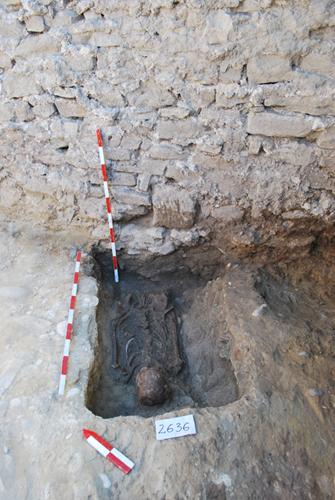
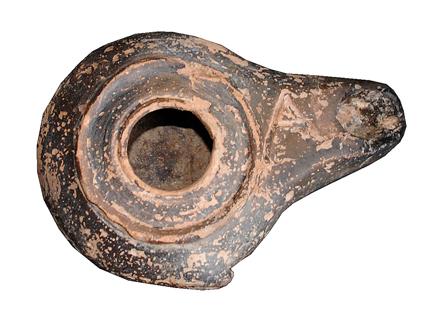
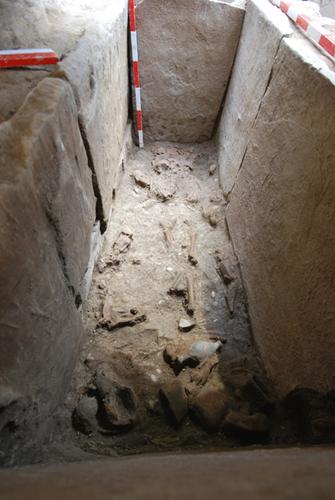
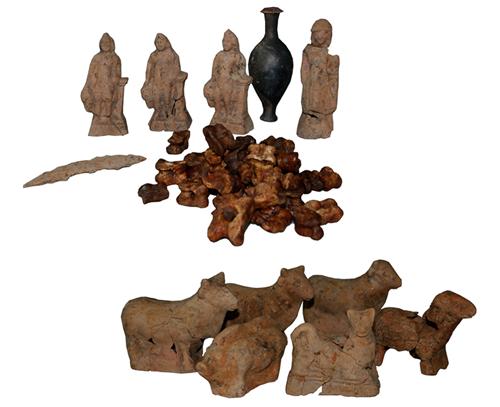
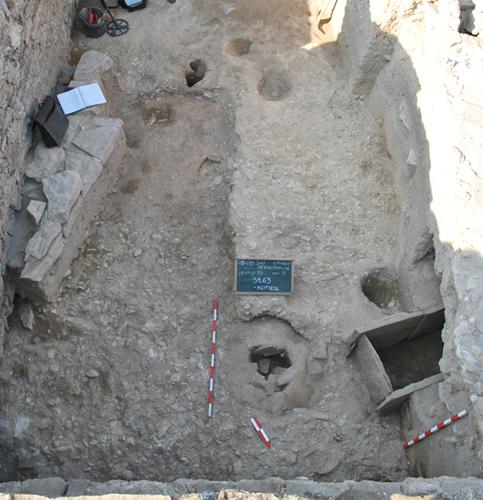
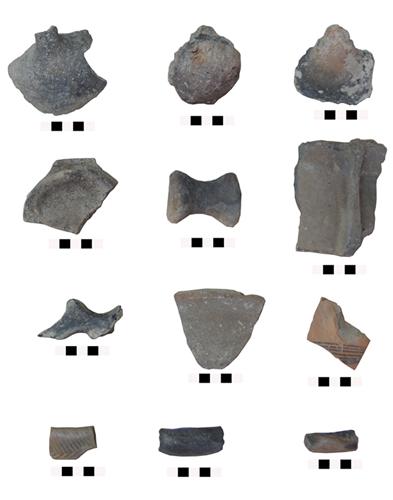
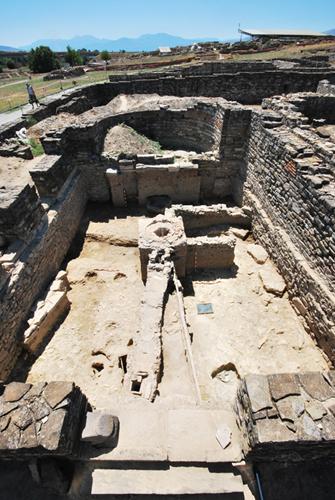
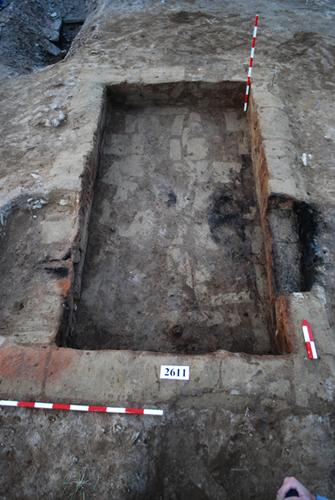
The archaeological research in 2012 was funded within the capital projects of the Government of the Republic of Macedonia and took place at five locations: the Temple, the Theatre, the Episcopal Basilica, the Western Necropolis and the Semicircular Square.
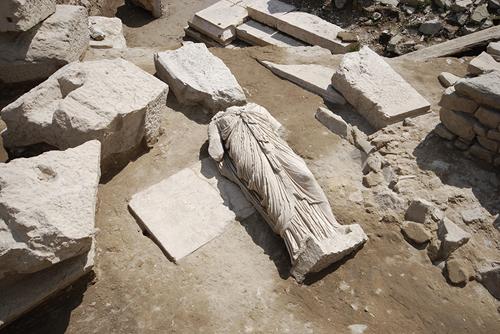
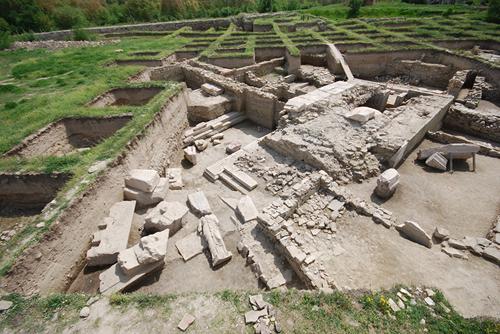
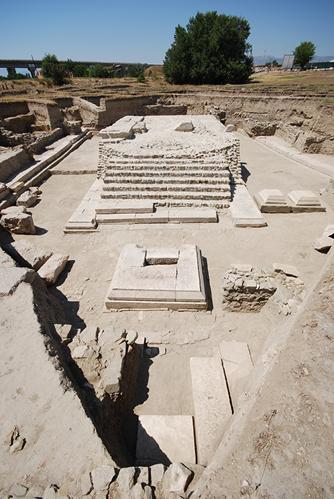
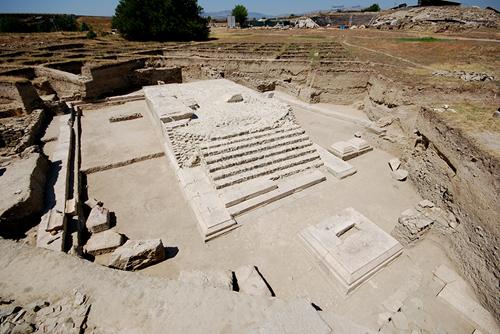
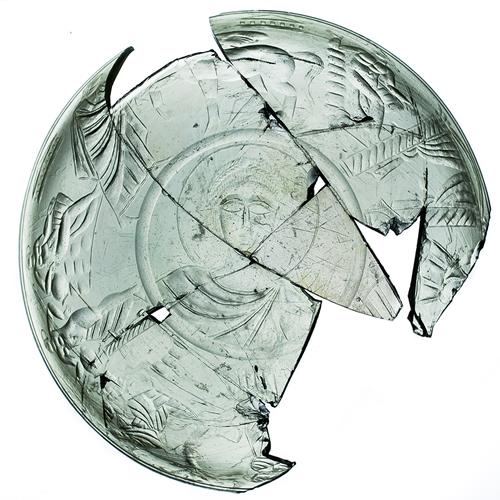
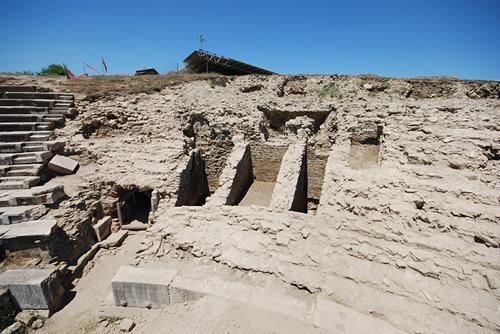
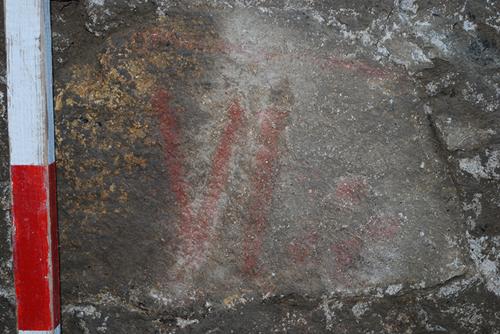
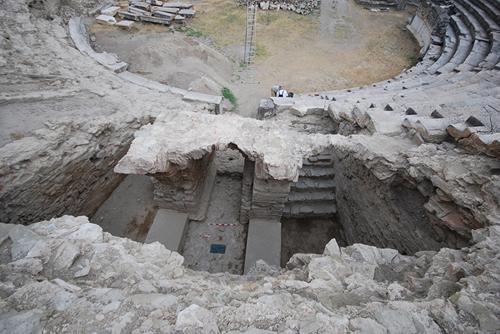
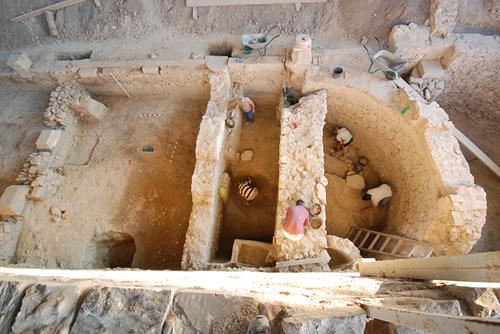
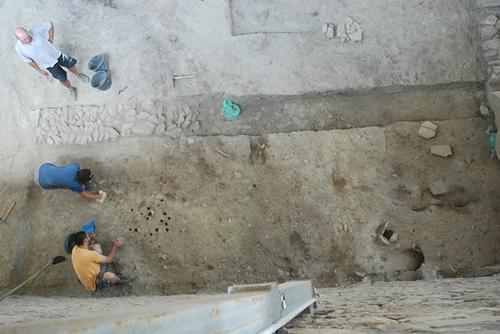
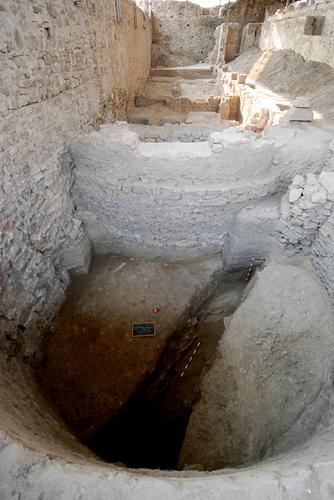
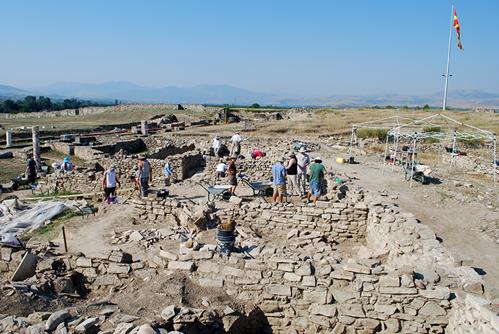
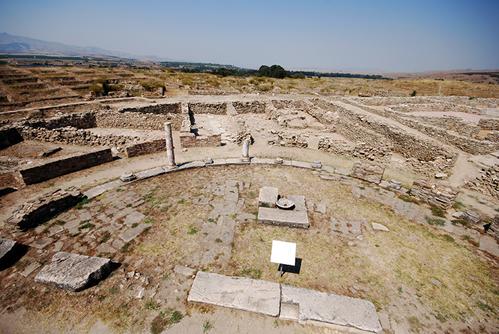
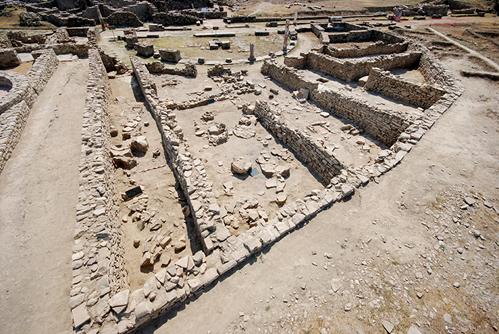
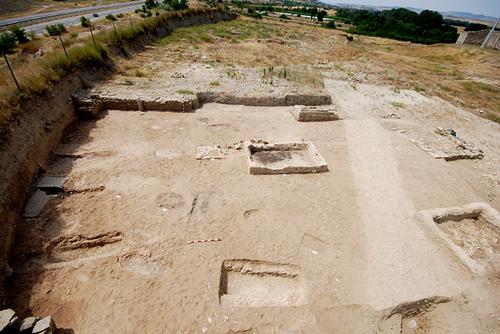
During 2013, the National Institution Stobi carried out three archaeological excavation projects and eight projects for the conservation of movable and immovable archaeological heritage. The first excavations took place at the theatre and the western necropolis during April, May and June, as part of the capital archaeological research projects funded by the Government of the Republic of Macedonia. A total of 13 graves were discovered at the Western Necropolis, with the focus of the research on the street leading south from Porta Heraclea. Since the graves are positioned on both of its sides, significant new data was obtained about the formation and organisation of the necropolis. Grave goods documented in the excavated graves include ceramic vessels, one glass vessel, several terracotta figurines and two iron strigils.
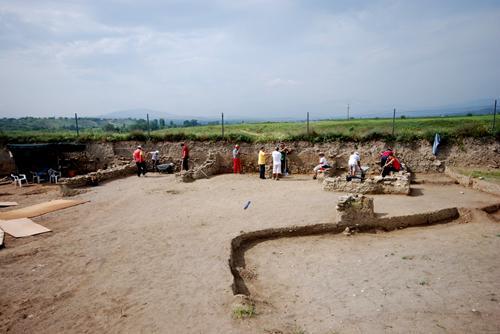
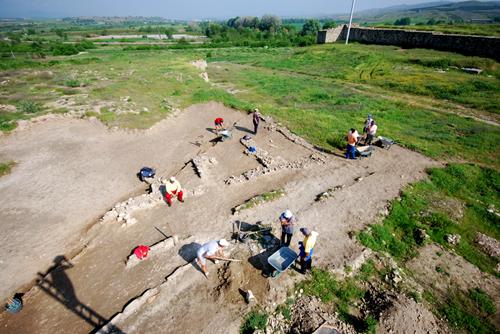
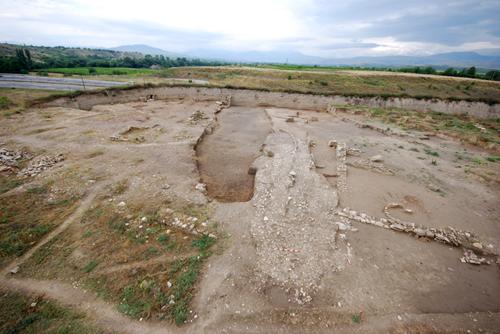
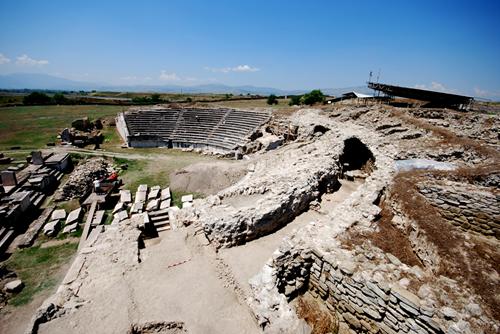
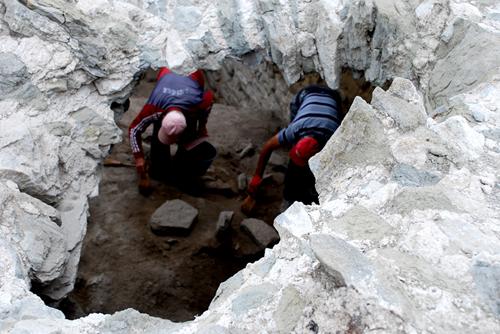
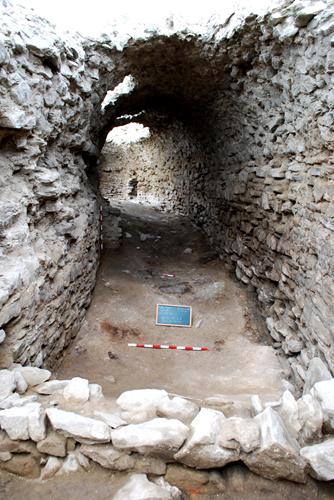
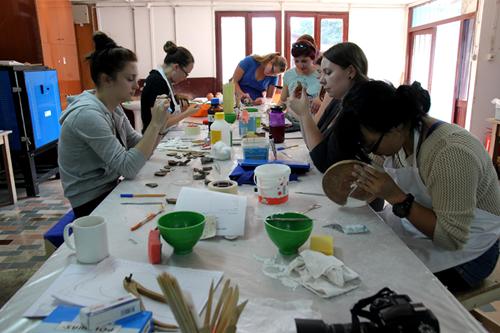
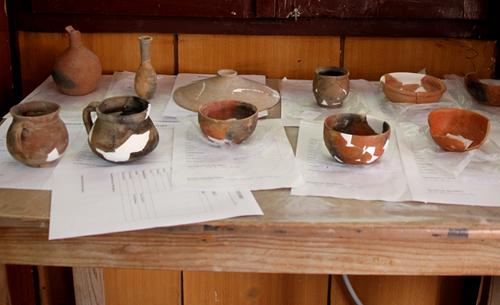
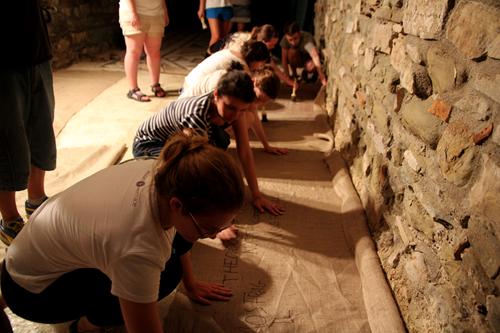
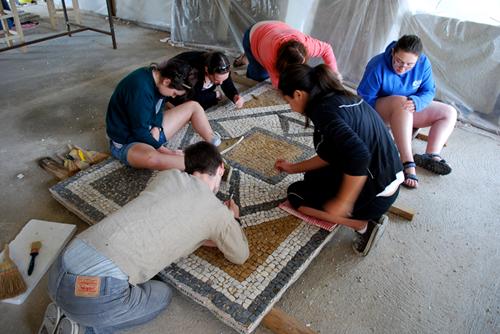
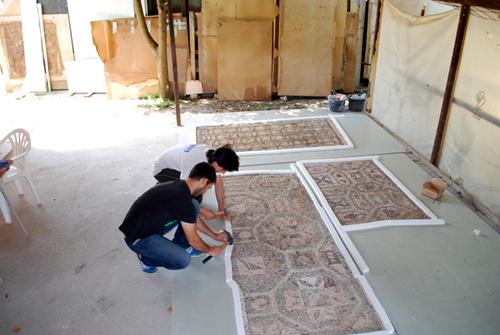
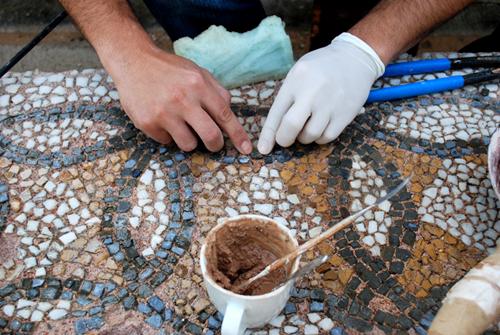
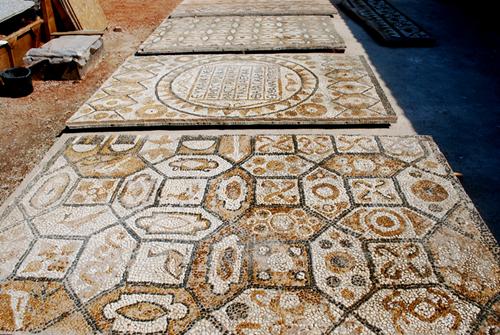
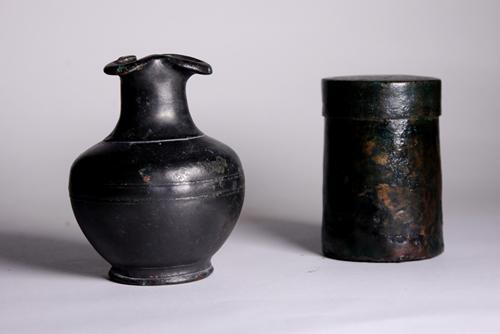
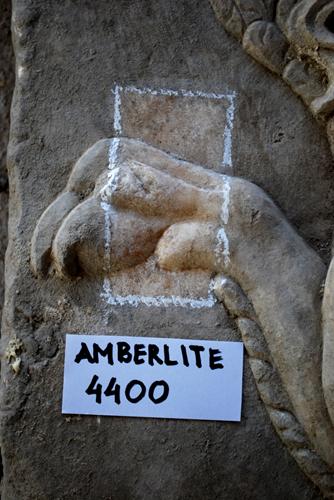
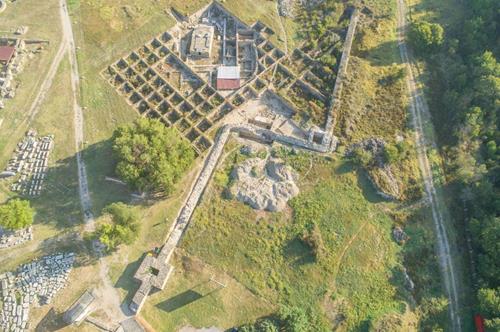
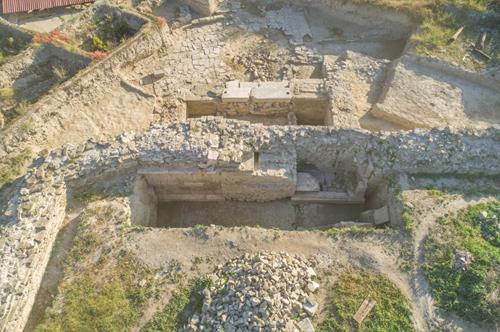
The programme of the National Institution Stobi for 2020 comprised several projects, five of which directly concern the research and protection of movable and immovable cultural heritage, while the remaining activities cover the preparation of projects and infrastructure works. A total of 15 projects were funded by the Ministry of Culture within the Annual Programme for realising the national interest in culture for 2020; four of them were postponed due to the crisis caused by the coronavirus (COVID-19).
© Copyright - NI Stobi
Powered by Elbosoft Consulting DOOEL
 +389 43 251 026

